
Gradual hearing loss often develops slowly and may go unnoticed for years. Many people assume it is simply a normal part of aging, but other factors can also contribute.
Age-Related Hearing Loss (Presbycusis)
Presbycusis refers to the gradual loss of hearing that occurs as people age. It usually affects the ability to hear higher-frequency sounds and understand speech clearly in noisy environments.
Noise-Induced Hearing Loss
Frequent exposure to loud environments—such as concerts, construction sites, or prolonged headphone use—can damage the delicate structures inside the inner ear. This type of hearing loss can accumulate over time.
Ototoxic Medications
Certain medications may affect hearing as a side effect. These are known as ototoxic drugs and may include some antibiotics, chemotherapy medications, or high doses of certain pain relievers.
Chronic Health Conditions
Health conditions that affect blood circulation, such as diabetes or cardiovascular disease, can also impact the delicate blood supply of the inner ear, potentially contributing to hearing problems.
Because of these risks, hearing tests are often recommended for adults over 40 years old, or earlier if risk factors are present.
Key Takeaways
Our ears are not only essential for hearing—they can also provide valuable insights into our overall health.
By paying attention to changes in:
-
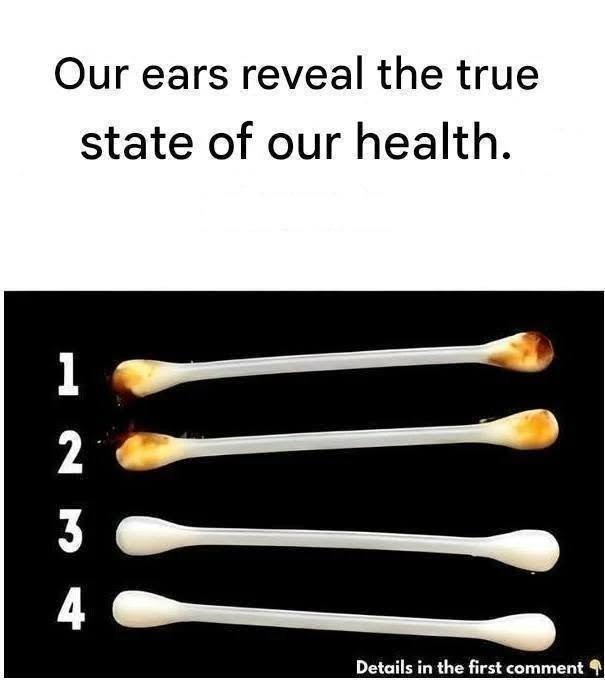
Earwax color or texture
-
Physical features of the ear
-
Hearing or unusual sensations
…you may be able to recognize early signs of potential health issues.
Regular medical check-ups and hearing evaluations can help protect both auditory health and general well-being. If you notice unusual or persistent symptoms, consulting a healthcare professional is always the safest step.
Taking care of your ears is not just about protecting your hearing—it is also an important part of maintaining your overall health.
